Mason Recreation

Smart Training for Masters Athletes

By: Alison Hall

Many children dream of becoming professional athletes when they grow up. How many of us wanted to be the next Michael Jordan, Mia Hamm, Derek Jeter, or Serena Williams? While some do get to live their dream, there’s no need for everyone else to give up. For every active NBA player, there are nearly 14,000 athletes ages 35+ playing basketball for fun and fitness (McCall, 2013). Masters athletes are everywhere, and with smart training, they can continue to play for many years to come.

The key to smart training is to create a well-rounded exercise program including cardiorespiratory exercise, resistance training, and flexibility training. Cardiorespiratory exercise continues to be the most popular as athletes age. An ideal training program starts with lower intensity training and progresses toward high-intensity interval training if the athlete is cleared for such activity. While cardiorespiratory exercise remains popular as athletes age, strength training drops off significantly after age 55 (McCall, 2013). Muscle mass decreases at a rate of 10 percent per decade after age 30, so it is suggested that all masters athletes continue strength training. The National Academy of Sports Medicine (NASM) recommends that with a physician’s clearance, masters-age athletes continue strength training 3-5 days per week completing 1-3 sets of 8-20 repetitions at 40-80% of maximum intensity (Clark, Luccett, & Sutton, 2012). Balance should also be included with both strength and flexibility training. Balance training can incorporate exercises such as standing on one foot or by using an unstable surface such as a BOSU balance trainer, stability ball, or balance disc. Flexibility training should include stretching and self-myofacial release, commonly known as foam rolling. Masters athletes may find the combination of these flexibility techniques most beneficial for tighter muscles.

General cardiorespiratory, strength, and flexibility training is great for all exercisers, but what if a masters athlete wants to improve at a specific sport or activity? For example, should a 40-year-old male training for his first 5K train the same way as a 60-year-old female who wants to be able to take care of her grandchildren? Or should the 75-year-old golfer train the same way as the 35-year-old recreational basketball player? Yes, they all should have an ability-specific cardiorespiratory, strength, and flexibility program starting with stability training to achieve a base level of fitness. This base level is the minimum level of fitness an athlete must reach before moving on to more advanced sport-specific training. Once they are ready to progress beyond base level, athletes should train in a way specific for their activity. The runner should train for core stability to improve postural control and body awareness. He needs to build aerobic endurance and leg strength as well. The grandmother needs to focus on core strength and on mobility to pick up her grandchildren and move around with them. She’ll likely need to be able to get down on the floor and have the flexibility to move around and play. The golfer needs to focus on core strength and movement with rotation. He also needs to train for muscle balance so both sides—not just the side he swings from—are equally strong. The basketball player needs to train for endurance and power. His program should include working up toward plyometric training for both jumping and landing safely. He also should include agility training because he will be cutting quickly on the court.

All masters athletes should have a physician’s clearance before training. This important step will help a coach or personal trainer determine intensity, specific exercises to avoid, or other important modifications. In addition, a personal trainer should perform a fitness assessment in conjunction with a physician’s recommendations. After the assessment, a trainer can develop a baseline fitness program and sport-specific programs to keep the masters-age athlete going for life.

Clark MA, Lucett SC, Sutton BG (Eds.) (2012). NASM Essentials of Personal Fitness Training. Baltimore: Lippincott Williams & Wilkins, 396-399.

McCall, P. (2013). Performance training for masters athletes. IDEA Fitness Journal, 10(10), 34-43.


Exercise as a Treatment Method for Depression

shutterstock_124414732-720x720Traditional treatments for depression include psychotherapy or medication; exercise has been found to be a successful third alternative. In a 1990 meta-analysis (an analysis that statistically summarized eighty studies of exercise and depression), a research team reached the following conclusions:

  1. Exercise serves as a beneficial antidepressant both immediately and over a long-term period.
  2. Although exercise decreased depression among all populations studied, it is most effective in decreasing depression for those most physically and/or psychologically impaired at the start of the exercise program.
  3. The exercise component of a rehabilitation program significantly decreases depression across all age categories; however the older people of the group experience a greater decrease in depression
  4. Exercise is an equally effective antidepressant for both genders.
  5. Walking/jogging were the most frequent forms of exercise that had been researched; however, all modes of exercise which had been examined (anaerobic as well as aerobic), were effective in treating depression
  6. More lengthy and frequent exercise programs are associated with greater decreases in depression than short, infrequent bouts of exercise.
  7. The most powerful antidepressant effect occurs when exercise and psychotherapy are combined to create a comprehensive rehabilitation program.

In conclusion, studies have shown that using the treatments in combination significantly improved the condition of depression. As demonstrated by the aforementioned research, exercise has positive effects on the human psyche. These positive effects are also evident in the sleep cycle. The next article in our Exercise and Mental Health series will explore the relationship between exercise and sleep, so be sure to come back next month for more information.

Babyak, M. A., Blumenthal, J. A., Herman, S., Khatri, P., Doraiswamy, P. M., Moore, K. A., Craighead, W. E., Baldewicz, T. T., & Krishnan, K. R. (2000). Exercise treatment for major depression: Maintenance of therapeutic benefit at 10 months.Psychosomatic Medicine, Vol. 62. pp. 633-638.

Blumenthal, J. A., Babyak, M.A., Moore, K. A., Craighead, W. E., Herman, S., Khatri, P., Waugh, R., Napolitano, M. A., Forman, L. M., Appelbaum, M., Doraiswamy, P. M., & Krishnan, K. R. (1999). Effects of exercise training on older patients with major depression. Archives of Internal Medicine, Vol. 159 pp. 2349-2356.

North, T. C., P. McCullagh, and Z. V. Tran. (1990). Effect of exercise on depression. Exercise and Sport Sciences Reviews Vol. 18pp. 379-415.

Hydration and Exercise

Hydration and Exercisehydration photo

By Alison Hall

Maintaining proper levels of hydration is always important when exercising. It becomes even more important in hot, humid conditions like we experience most of the summer in Northern Virginia. Hydration levels must be monitored before dehydration is an issue. Dehydration occurs when an individual loses 2 percent or more of body weight during an exercise session. Dehydration can diminish aerobic exercise performance, and as the level of dehydration increases, the body experiences a higher level of physiological strain (American College of Sports Medicine, 2007).

A good way to prevent dehydration is to consume liquids before, during, and after exercise. According to Casa, et al. (2000), an exerciser should consume 500-600 ml (approximately 16-20 ounces) of water or a sports drink two to three hours prior to exercise then an additional 200-300 ml (approximately 6-10 ounces) ten to twenty minutes before exercise. They then recommend 200-300 ml every ten to twenty minutes during exercise depending on sweat rates so that the exerciser loses less than 2 percent of body weight. After exercise, the individual should drink 25-50 percent more fluid than lost per hour of exercise.

For example, a 187-pound male participates in our one-hour indoor cycling class at noon. Ideally, he should drink 16-20 ounces of fluid between 9:00 and 10:00 am then 6-10 ounces of fluid at 11:40. During class, he’s a moderate sweater, so he drinks 24 ounces of water. He weighs himself after class and weighs 185.5 pounds. To find hourly fluid loss, subtract his post-exercise weight from his pre-exercise weight, then add in how much fluid he ingested. In his case, 187-185.5=1.5. Add in his fluid intake of 24 ounces (1.5 pounds), and that equals 3 pounds of fluid loss per his hour of exercise, which is just less than 2 percent of his body weight. Multiply his 3-pound loss by 16 ounces in a pound, and that equals his sweat rate of 48 ounces per hour. In order to replace his fluids lost, he should drink 25-50 percent more than 48 ounces over the next 4-6 hours, or 60-72 ounces of fluid between the end of class at 1:00 and 5:00 or 7:00 that evening.

Water is generally considered acceptable for fluid replacement, especially in exercise sessions lasting one hour or less. If an exercise session lasts more than an hour, water is adequate, but a sports drink containing carbohydrates, sodium, and potassium for electrolyte and energy replacement might be advantageous. Sports drinks also can be beneficial when exercising more than one time per day, especially because rehydration from the first session is critical before the second session begins. Any sports drink consumed should list water as the first ingredient (Roberts, 2012).

Follow these guidelines, and your body will perform better for you as you stay hydrated.

References

American College of Sports Medicine (2007). Exercise and fluid replacement: Position stand. Medicine & Science in Sports & Exercise, 39(2), 377-390.

Casa, D. J., Armstrong, L. E., Hillman, S. K., Montain, S. J., Reiff, R. V. . . .Stone, J. A. (2000). National Athletic Trainers’ Association position statement: Fluid replacement for athletes. Journal of Athletic Training, 35(2), 212-224.

Roberts, W. O. (2012). Fluid replacement for sports safety and performance. Internal SportMed Journal, 13(2), 39-42.


All About Abs


By: Alison Hall

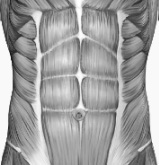
Abs1It is commonly believed that six-pack abs are the product of the most popular workout fad. In fact, a library search for “six-pack abs,” came up with 537 hits, yet only 14 were scholarly, peer-reviewed sources. The rest were magazine articles with the next great workout supposedly designed to “shred your abs” or get “rock solid abs.” The workouts were complete core workouts, but most of them made no mention of cardio for overall fat loss or a good clean diet. A well-rounded approach to abdominal training and the coveted six-pack needs to consist of all three.

Core Strengthening Exercises

While the six pack is aesthetically pleasing, it is more important to strengthen your entire core. The core refers to the abdominal and lumbar spine areas. While strong abdominals can be shown off as the six-pack, a strong back is equally important for good posture and muscular balance. To begin strengthening your core, you should first strengthen your deep core stabilizer muscles. Core stability, defined as a dynamic equilibrium between whole body movement and controlled motion or stability of the spine,1 is critical for controlling the motion of the trunk over the pelvis. This leads to control of your body from head to toe as you move. Once the spine and pelvis can be controlled, dynamic core strengthening exercises can be performed. A variety of equipment can be used, including stability balls, medicine balls, BOSUs, weights, and machines. If you are unsure how to use them, consult a personal trainer. Pilates is a type of exercise that works both core stability and mobility. Joseph Pilates created his exercise series to concentrate on controlling your “powerhouse,” which consists of the core muscles, while moving your limbs with fluidity and precision.2 Mason fitness offers Pilates classes at the RAC. Visit fitness.gmu.edu for more information.

Cardio

No matter how strong your abdominal muscles are, you can’t see them if they’re hidden under a layer of fat. Cardio exercise is essential for manyAbs2 reasons, including improving cardiovascular health, but especially if showing your abs is your goal. The National Academy of Sports Medicine (NASM) recommends at least five days per week (150 minutes total) of moderate intensity cardio, at least three days a week (75 minutes total) of higher intensity cardio, or three to five days per week of a combination of the two.3 Following these recommendations will increase your calorie deficit, helping to lose any unwanted belly fat.

Clean Diet

There’s a saying “you can’t out exercise a poor diet.” All the cardio and core training in the world won’t make a difference in the appearance of your abs if you don’t eat clean. Avoid as much processed food as possible. Select whole grains over refined. Limit soda, alcohol, and sugary foods. Pay attention to serving sizes, and eat an appropriate amount of calories for your activity level. Include a full rainbow of fruits and vegetables every day. The USDA site choosemyplate.gov is an excellent resource for a proper diet. Following these dietary guidelines will help show off all your hard work.

Remember, healthful habits are far more important than how you look. If you train and eat smart, you will reap more benefits than you could ever imagine.

References:

  1. Weeks B, Horan SA. Core Stability for Performance and Injury Prevention. Modern Athlete & Coach. 2013:51(2);13-16.
  2. Fitour Primary Pilates Certification Manual, 2008.
  3. Clark MA, Lucett SC, Sutton BG (Eds.). NASM Essentials of Personal Fitness Training (2012). Baltimore: Lippincott Williams & Wilkins.

Resistance Training and Mental Health

By: Anya Sailey

Strength training has been studied extensively in terms of its various physical health benefits; however the effects on mental health have not had the same exposure. This article addresses seven studies focusing on the benefits of strength training in terms of mental health. The key areas of mental health which are addressed include anxiety, depression, chronic fatigue, cognition, sleep, and self-esteem.Resistance Training

Anxiety – Anxiety is a prevalent issue in American society, resulting in sleep disruptions, mental distress, bodily pain, poor health, and limitations to physical activity. Resistance training was found to serve as a meaningful intervention for those suffering from anxiety. Moderate-intensity levels of resistance training proved to be the most effective in the reduction of anxiety symptoms.

Cognition – Cognition allows a person to interpret learned information by processing and integrating it with existing knowledge. In healthy older adults, studies have shown that resistance training enhances cognition by improving memory and executive functioning.

Depression – Depression is another prevalent issue in American society, which results in feelings of hopelessness, mood disturbances, fatigue, lack of motivation, sleep problems, restlessness, agitation, and other mental and physical complications. Studies have shown that resistance training is linked to reduction in depression, although further investigation may be necessary to achieve conclusive results.

Chronic Fatigue – About 25% of the American population suffers from fatigue. Fatigue may negatively impact a person’s daily performance and mental health. Compared to medicinal or behavioral interventions Resistance training has consistently been found to be the best intervention for preventing and improving symptoms associated with chronic fatigue..

Self-Esteem – Self-esteem is a person’s evaluation of their personal worth. Resistance training has been proven to improve self-esteem in adults, particularly those who are mentally or physically ill.

Sleep – Sleep is an important part of recovery in terms of both physical and mental health. Consistent sleep deprivation results in cognitive impairment, mental illness, cardiovascular disease, hypertension, obesity, and sleepiness, and a diminished quality of life. Physically active individuals have healthier, more stable sleep patterns, and a reduced risk of sleep apnea

Resistance training can affect a person’s well-being both directly and indirectly: it may improve cognition and nervous system function, which can lead to an improved quality of life. Because of its positive effects on the mind and the body, resistance training should be incorporated into everyone’s workout routines and daily schedules. Stay tuned for next week’s in-depth discussion on how resistance training positively affects mental health!


Source:

Ramirez, A. (2012). Resistance training improves mental health. IDEA Fitness Journal for ACE Certified Professionals, 9 (1): 20-22.

Overcoming Fitness Fears

By: Alison Hall

People have many reasons for avoiding certain fitness activities, and one of the most common ones is fear. Read on to learn some tips to overcome common fitness fears.

edgemidClimbing/Heights

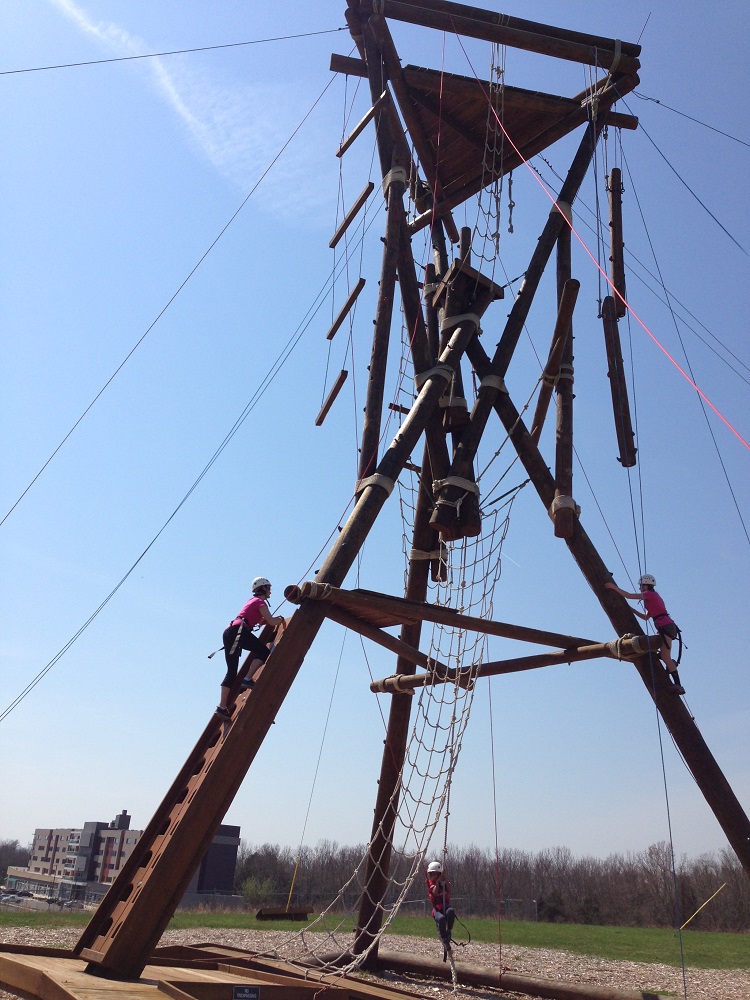
Have you ever wanted to try climbing but you were afraid of being so far off the ground? The Alpine Tower at The EDGE at Mason, which hosts an open climb the second Sunday of each month, has many different ways to climb. You can start by climbing to the first platform, which is not far off the ground. As your confidence improves, you can attempt to get to the top platform 50-feet off the ground. You are attached to a safety rope the entire time, so even if you do have trouble, there always is a safe way down. When asked about fear of climbing or heights, David Heath, The EDGE Program Manager, quoted Alexandria climber Sasha DiGiulian, “The way I overcome my fear, which I’m still overcoming, is to do exactly what scares me: falling.” The EDGE offers a safe way to face your fears.


Yogaanneyoga

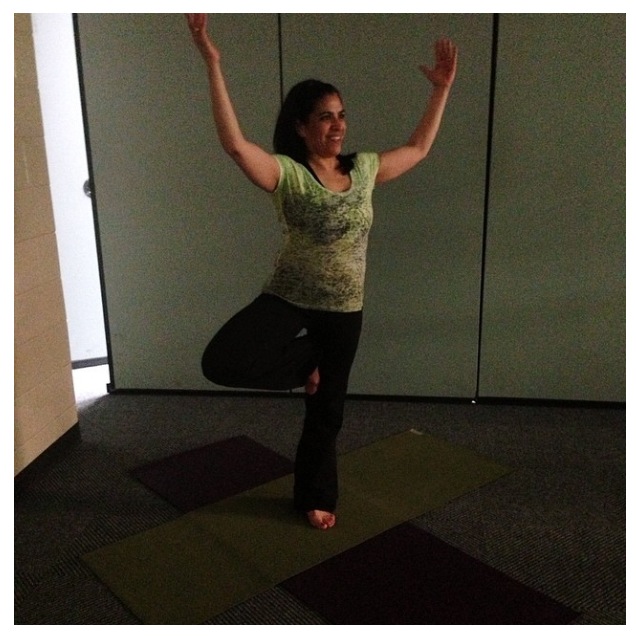
You may have read or heard that yoga is good for you, but it may be unnerving to walk into a class as a newcomer. Mason yoga instructor Anne Suarez encourages all newcomers to realize that everyone starts somewhere in terms of fitness and flexibility. There always are modifications that participants can make to their practice to accommodate their needs. She says that the key is to be open to the journey. Yoga is a progression, beneficial to one’s overall health and wellbeing.

deepwaterswimDeep-Water Swimming

If you are confident in your swimming ability in shallow water but fear the deep water, Mason Master’s Swim coach Cheryl Ward suggests you take steps to build your confidence in deep water. Begin by wearing goggles so you can see the bottom of the pool and learning to tread water. You can start with a kickboard first, then swim beside a wall or lane rope so you know you have something to grab onto if you start to panic. Even better, have a friend who is confident in deep water swim beside you. Coach Ward also advises to start swimming in a shallow lane then each day move one lane over toward the deep end.


The Weight Room

If you are unfamiliar with weight training, exercising in the weight room can be intimidating. Mason personal trainer Theresa Boyd recommends you have a workout plan before you enter the weight room. Knowing the routine, how to properly do the exercise, and what the weight, sets, and reps are going to be can increase your confidence as you lift alongside members with more experience. If you are afraid of not knowing how to use the machines, you can get a free equipment orientation from Mason Fitness. If you do not want to enter the weight room alone, bring a friend along. A personal trainer also can help you use the free weights to meet your goals while using proper form. Theresa suggests our “Design Me A Workout” package as a great way to get comfortable with the weight room atmosphere.

Schedules for all of Mason Fitness classes, personal training packets, information about swim classes and Master’s swimming, and reservations for The EDGE at Mason are all available through our website at recreation.gmu.edu. Check out these resources and conquer your fears!

Does Exercise Really Boost your Metabolism?

By: Anya Sailey

There are many claims of “boosted metabolism” as a result of exercise in the fitness industry today. Both journal articles discussed herein address the human metabolism and energy expenditure in relation to post-exercise thermogenesis. Additionally, both articles seek to disprove the common theory that “the human metabolic rate remains elevated for up to 48 hours post-exercise” (Bingham et. al., 1989). The American Journal of Clinical Nutrition article discusses the efficacy of several weight-loss strategies pertaining to variation in macronutrient distribution. This article’s main research topic seeks to “investigate whether or not there is a sustained effect of either moderate or intense exercise on metabolic rate.” (Freedman-Akabas et al., 1985) The British Journal of Nutrition article authors seek to determine “whether or not there is a sustained enhancement in metabolic rate following physical exercise.” (Bingham et. al., 1989) The significance of this experiment relates to the author’s challenge of the efficacy of weight-control solely based upon the exercise component of a fitness program.

H&FThe objective of both articles is to investigate the effect of moderate or intense exercise on metabolism. The first study used VO2 (volume of Oxygen consumption) to evaluate the fitness level of participants before and af
ter exercise. Researchers found that VO2 levels returned to their baseline values 40 minutes after exercising and remained for at least 3 hours, regardless of gender or fitness level. In the second study, volunteers’ vital signs, physiological compositions, intakes/outputs, standardized diets, and exercise methods were observed over time. Researchers found that metabolic rates did not change over time when measured up to 24 hours post-exercise.

Both articles concluded that there are no significant sustained effects on resting metabolic rates post-exercise. (Freedman-Akabas et al., 1985, Bingham et al., 1989) Both studies show that the human metabolism is not significantly “boosted” as a result of exercise for a longer period of time than the duration of the exercise itself. This finding is discouraging for marketing schemes targeting those who want to believe that their metabolism will increase as a result of a certain product or repeated physical exercise. Both studies highlight the beneficial effects of exercise, and conclude that the component of sustainability in terms of physical exercise is crucial: it is not possible to expect significant results in the resting period between exercises. Additionally, both articles stress the importance of diet in terms of weight-control program implementation.


Bibliography

Bingham, S.A., Goldberg, G.R., Coward, W.A., A.M. Prentice, and J.H. Cummings. (1989). The effect of exercise and improved physical fitness on basal metabolic rate. In British Journal of Nutrition 61, 155-173.


Freedman-Akabas, S., Colt, E., H. Kisseleff, and F. Xavier Pi-Sunyer. (1985). Lack of sustained increase in VO2 following exercise in fit and unfit subjects. In American Journal of Clinical Nutrition 41, 545-549.